

Common Roof Waterproofing Warning Signs
Roof waterproofing warning signs often appear long before serious structural damage occurs. Identifying these warning signs early can help homeowners prevent costly repairs and extend the lifespan of their roofs. Waterproofing failure rarely begins with water dripping from the ceiling. In most cases, it starts silently—with a small crack, damp patches on walls, or minor discoloration that many property owners overlook. What appears to be a small issue today can eventually lead to peeling paint, mould growth, structural deterioration, and costly repairs.
Roofs often provide warning signs months before major failures occur. Identifying these signs early can help property owners avoid significant repair expenses and protect their buildings from long-term damage
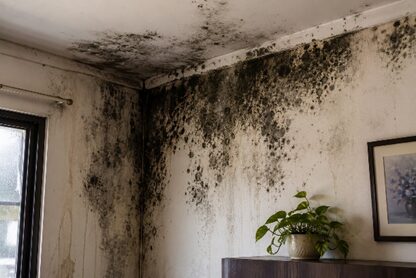
1. Water Stains on Ceilings or Walls
One of the earliest and most visible signs of waterproofing failure is the appearance of yellowish or brown water stains on ceilings and walls. Many people assume the source of the leak is directly above the stain, but water can travel through concrete and structural elements before becoming visible.
Common indicators include:
• Circular damp spots
• Brown stains
• Discoloured ceilings
• Damp corners
Ignoring these warning signs can result in more extensive damage and higher repair costs in the future.
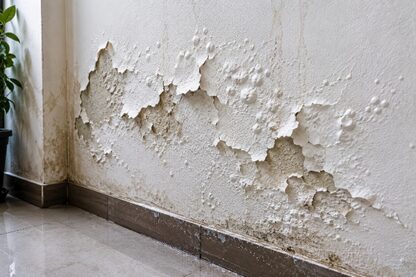
2. Paint Peeling or Bubbling
Moisture intrusion is often responsible for damaged paint systems. When water penetrates concrete surfaces, pressure builds beneath the paint layer, causing bubbling, peeling, flaking, and discoloration.Many property owners repeatedly repaint affected areas without addressing the underlying waterproofing issue. Although the surface may look new temporarily, moisture remains trapped beneath and continues to cause deterioration.
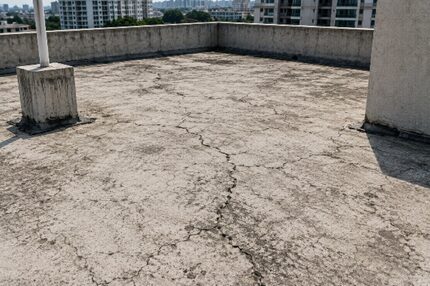
3. Cracks Appearing on the Roof Surface
Concrete naturally expands and contracts due to temperature changes. Over time, this movement can create cracks that allow water to penetrate the structure.
Warning signs include:
• Hairline cracks
• Expansion joint separation
• Surface fractures
• Cracked waterproofing membranes
Once water enters these openings, deterioration accelerates rapidly, increasing the risk of leaks and structural damage.
4. Persistent Dampness After Rain
A properly waterproofed roof should dry relatively quickly after rainfall. If certain areas remain damp for extended periods, it may indicate:
• Water absorption into the substrate
• Waterproofing system failure
• Inadequate drainage
• Surface deterioration
Prolonged moisture retention increases the likelihood of concrete degradation and future leakage issues.
5. Mold, Mildew, and Musty Odors
Sometimes waterproofing problems become noticeable through smell before visible signs appear. Persistent musty odours around ceilings, walls, storage spaces, or air-conditioning ducts often indicate hidden moisture.
Mould and mildew thrive in damp environments and can spread quickly throughout a building. Beyond property damage, they may negatively affect indoor air quality.
6. Water Ponding on the Roof
Standing water is one of the biggest threats to traditional waterproofing systems. Water that remains on a roof for more than 48 hours places continuous stress on the waterproofing layer.
These roof waterproofing warning signs should never be ignored.
• Membrane failure
• Joint deterioration
• Surface cracking
• Water penetration into the structure
Modern waterproofing technologies are specifically designed to withstand these demanding conditions more effectively.
7. Repeated Repairs Every Few Years
If your roof requires frequent repairs, recurring leak fixes, or repeated coating applications after every monsoon season, it may indicate that the waterproofing system itself is no longer effective.Traditional waterproofing solutions often require ongoing maintenance and periodic replacement. Over time, these repeated repair cycles can become significantly more expensive than investing in a durable, long-term solution from the beginning.
How Roof Waterproofing Warning Signs Lead to Structural Damage
Today’s buildings face greater challenges than ever before, including extreme temperature fluctuations, ultraviolet exposure, structural movement, heavy rainfall, and continuous usage.
To meet these demands, architects, consultants, and contractors are increasingly adopting seamless waterproofing technologies that provide superior durability and lower maintenance requirements.
Unlike conventional systems that rely on multiple layers and joints, advanced Polyurea waterproofing systems create a seamless protective membrane that delivers long-lasting waterproofing performance.
Key benefits include:
• Seamless waterproof protection
• High flexibility with crack-bridging capabilities
• Excellent weather resistance
• Faster project completion
• Lower long-term maintenance costs
• Suitable for roofs, terraces, parking decks, and industrial facilities
Understanding roof waterproofing warning signs can save you from major repair costs.
Waterproofing issues are significantly easier and less expensive to address during the early stages of failure. Identifying warning signs before serious damage occurs can save considerable repair costs and prevent long-term structural problems.
The best waterproofing solution is the one implemented before a leak becomes a crisis.
Conclusion
Roof waterproofing is a critical component of building protection and long-term asset preservation. By recognizing the warning signs of waterproofing failure early and investing in advanced waterproofing technologies, property owners can avoid expensive repairs, extend building lifespan, and maintain structural integrity for years to come.